
Best Time to Climb Mount Kilimanjaro: Seasonal Guide & Expert Tips
Overview
If Trekking & Adventure, Tanzania can be your home.
Mount Kilimanjaro, standing majes
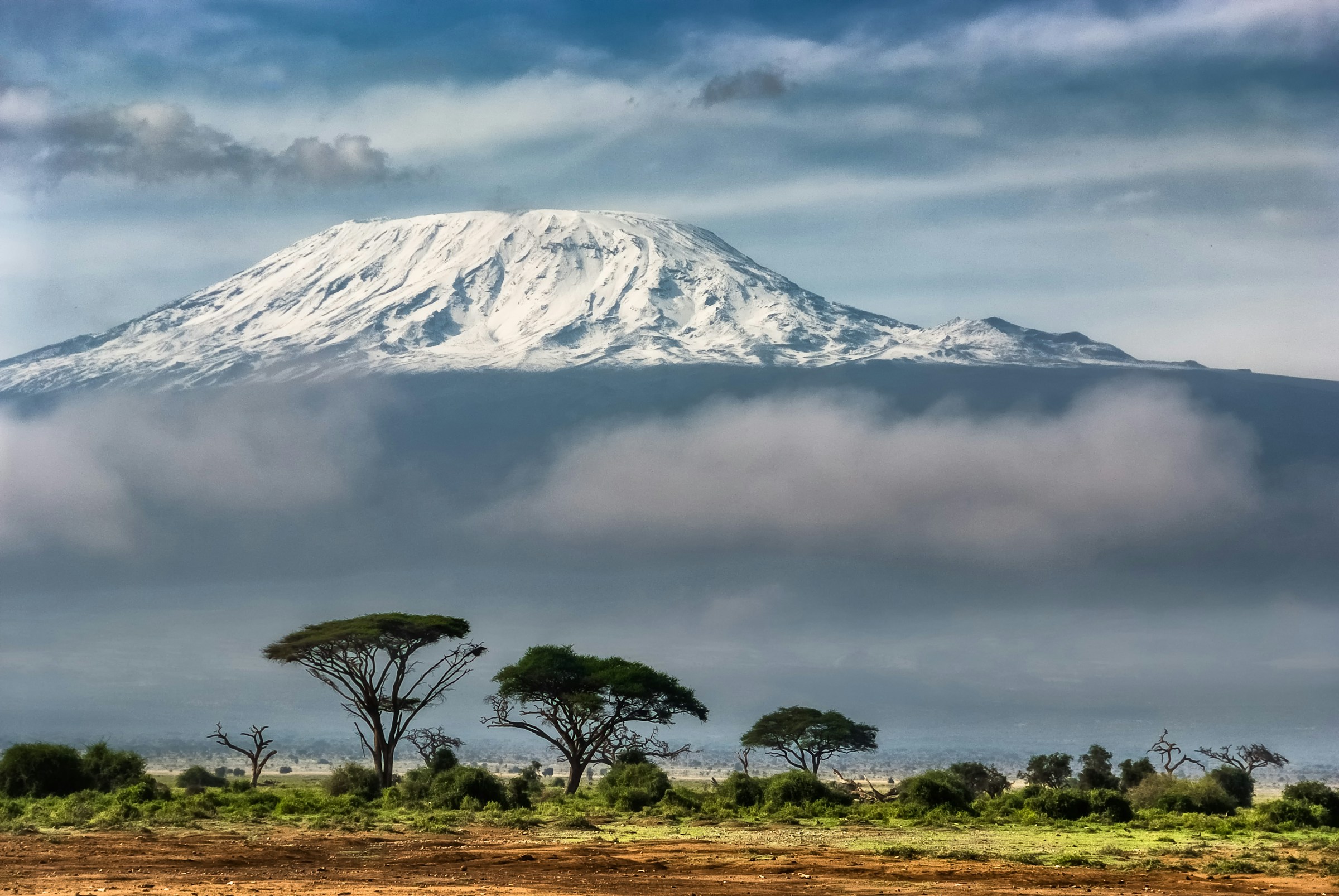
tically at 5,895 meters (19,341 feet) above sea level, is Africa’s highest peak and the world’s tallest free-standing mountain. Reaching Uhuru Peak is a bucket-list dream for adventurers worldwide. However, choosing the right time of year for your climb can dramatically impact your comfort, safety, and chance of reaching the summit. By reading this article discover the best months to climb Mount Kilimanjaro. Explore dry season windows, weather patterns, route recommendations, and essential packing tips for a successful summit. Karibu Sana.
Unlike many of the world’s tallest peaks, Kilimanjaro requires no technical climbing or mountaineering experience — it’s a trek, not a climb, in the technical sense, which is part of why it draws such a wide range of adventurers, from first-time hikers to seasoned trekkers checking off one of the Seven Summits. That accessibility is exactly why timing matters so much: with no ropes or technical gear to compensate for poor conditions, weather becomes the single biggest factor separating a comfortable, successful summit push from a miserable, low-visibility slog through mud and cloud.
1. The Primary Dry Seasons: Ideal Climbing Windows
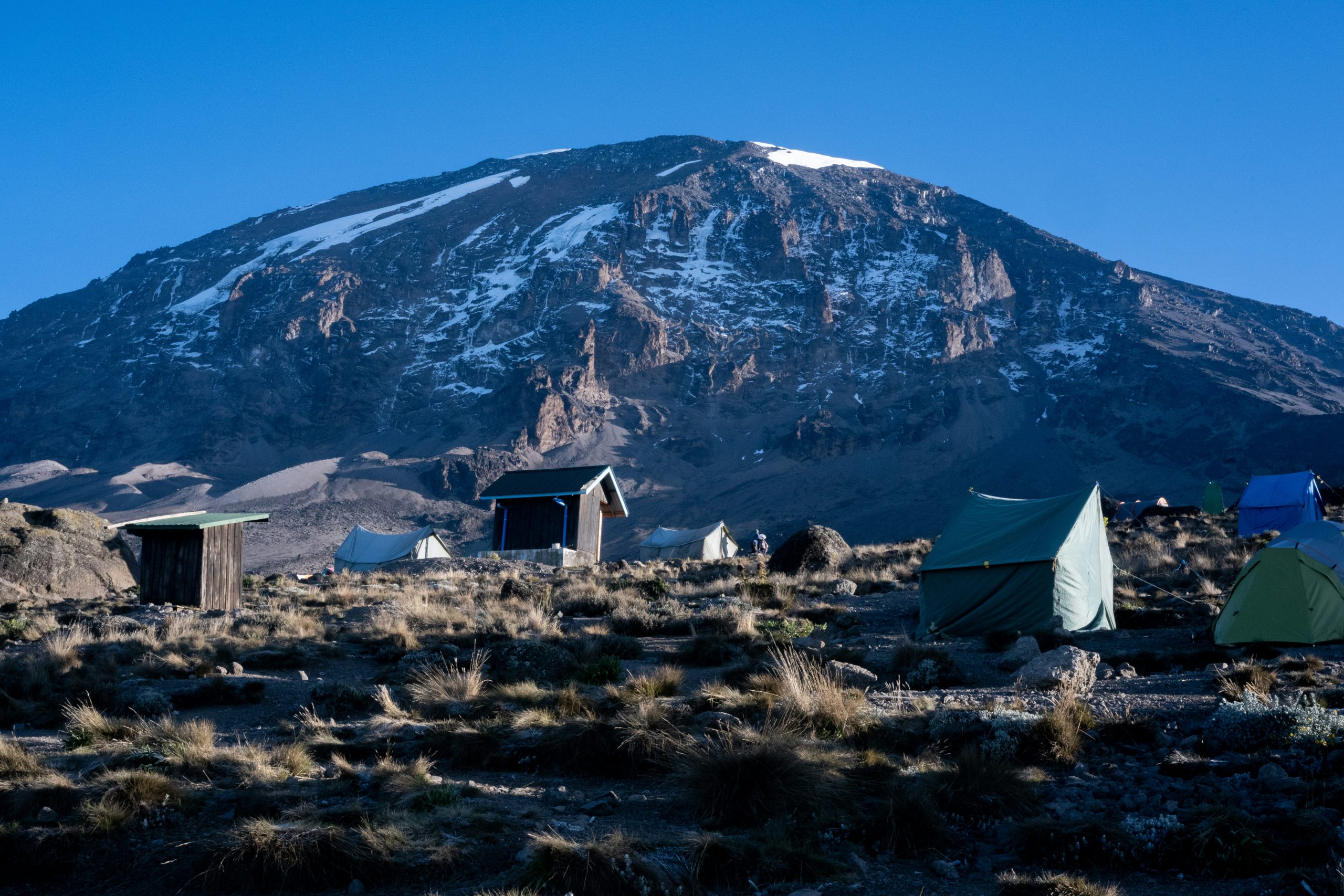
Kilimanjaro can be climbed year-round, but the mountain experiences two distinct dry seasons that offer the best weather and safest trekking conditions:
– January to March (Warm & Clear): This is one of the best times to climb Kilimanjaro. Temperatures are relatively warm, skies are clear in the mornings, and trail crowds are moderate. Snowfall near the summit is common, creating stunning photo opportunities.
– June to October (Dry & Cooler): This is the peak trekking season on Kilimanjaro. Weather is consistently dry, though colder at higher elevations. July through September sees the highest number of climbers on popular routes like Machame and Marangu.
2. The Rainy Seasons: What to Expect
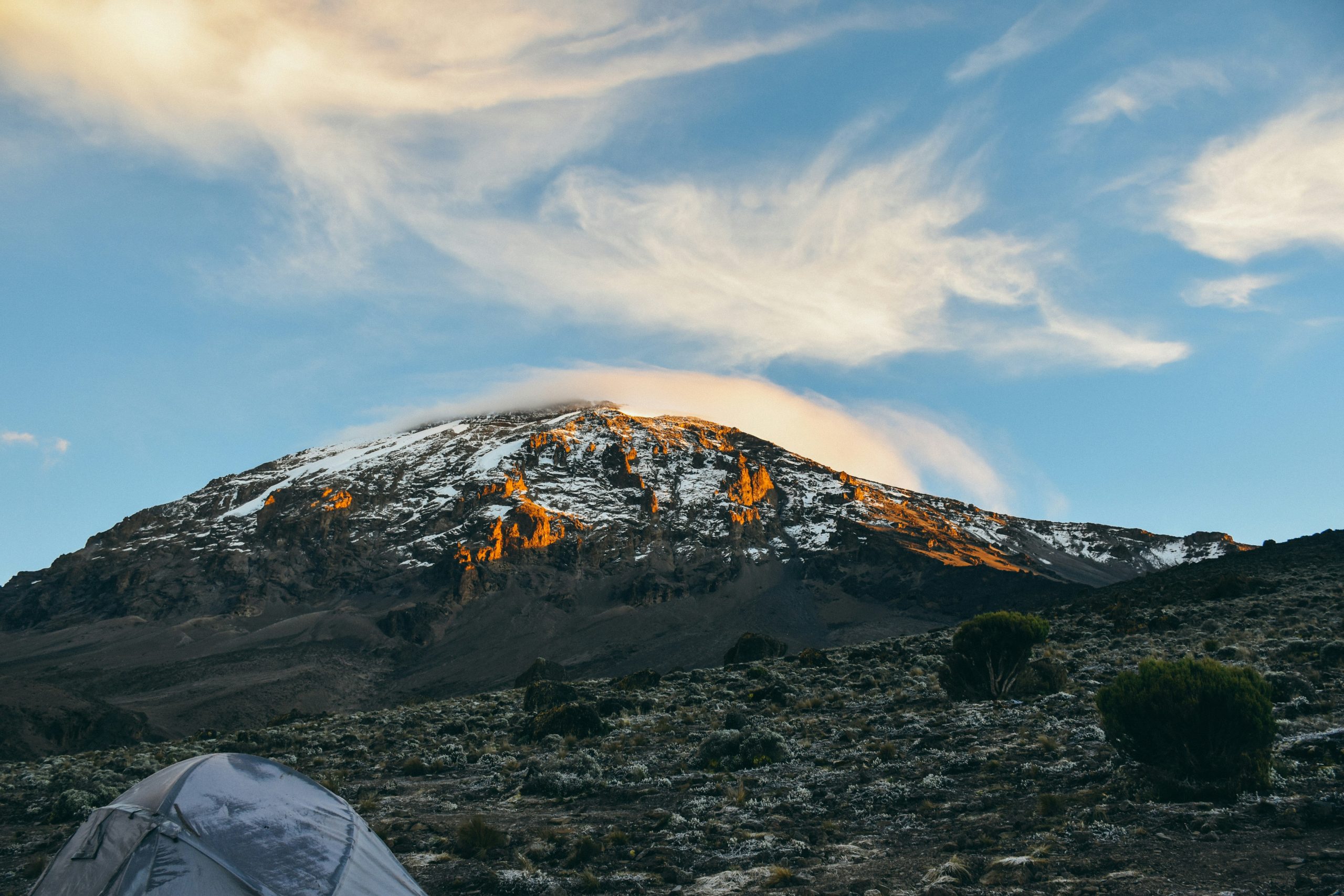
Kilimanjaro experiences two rainy periods: the “long rains” from late March through May and the “short rains” in November. Trekking during these periods presents major challenges—trails become muddy and slippery, cloud cover obstructs views, and freezing rain or heavy snow can affect summit attempts. However, experienced trekkers seeking solitude and discounted rates sometimes choose the drier northern routes during November.
3. Recommended Routes by Season
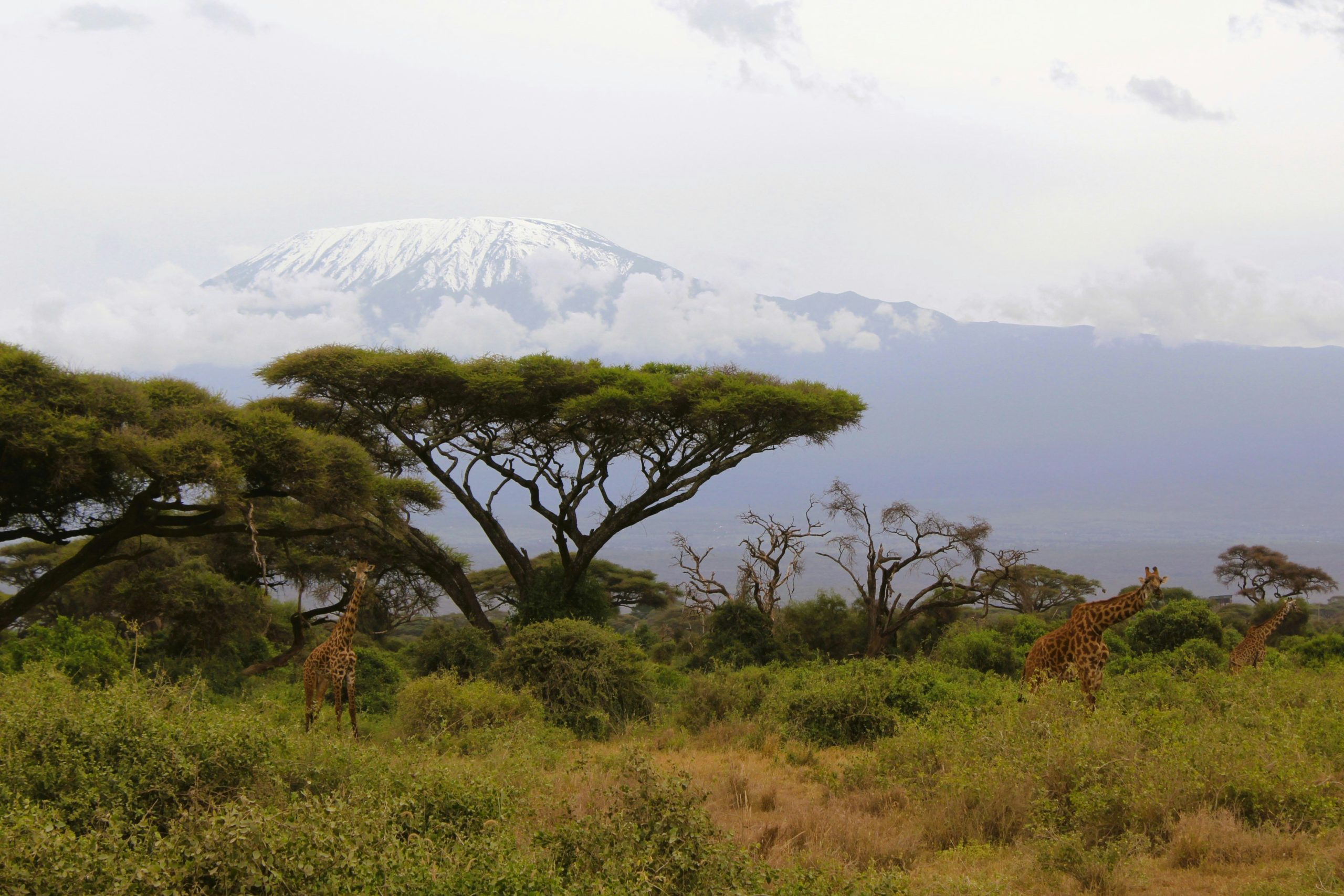
Matching your route to the season is crucial for a great experience:
– Dry Seasons (Jan–Mar & Jun–Oct): Machame, Lemosho, and Northern Circuit routes offer superb scenery, excellent acclimatization profiles, and high success rates.
– Rainier Months (Nov & Apr–May): The Rongai Route, which approaches Kilimanjaro from the northern slope near the Kenyan border, receives significantly less rainfall and is the best choice during shoulder seasons.
4. Essential Packing & Preparation Tips
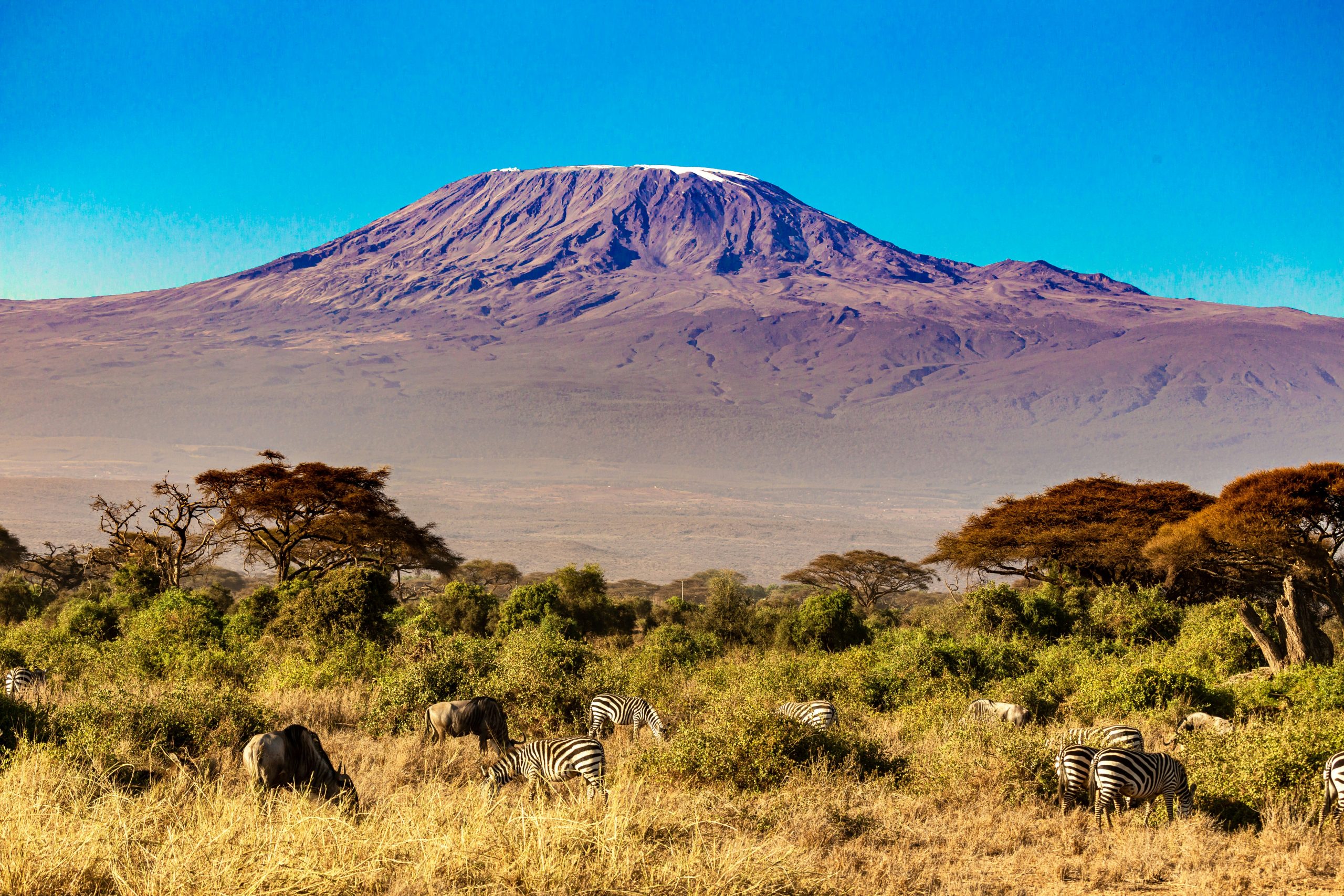
Regardless of when you climb, Kilimanjaro features five distinct climate zones—from tropical rainforest at the base to arctic conditions at the summit. Always pack high-quality thermal base layers, a 4-season down sleeping bag, waterproof outer shells, broken-in trekking boots, and trekking poles. Proper physical preparation and choosing an itinerary with at least 7 days for acclimatization are key factors for summit success.
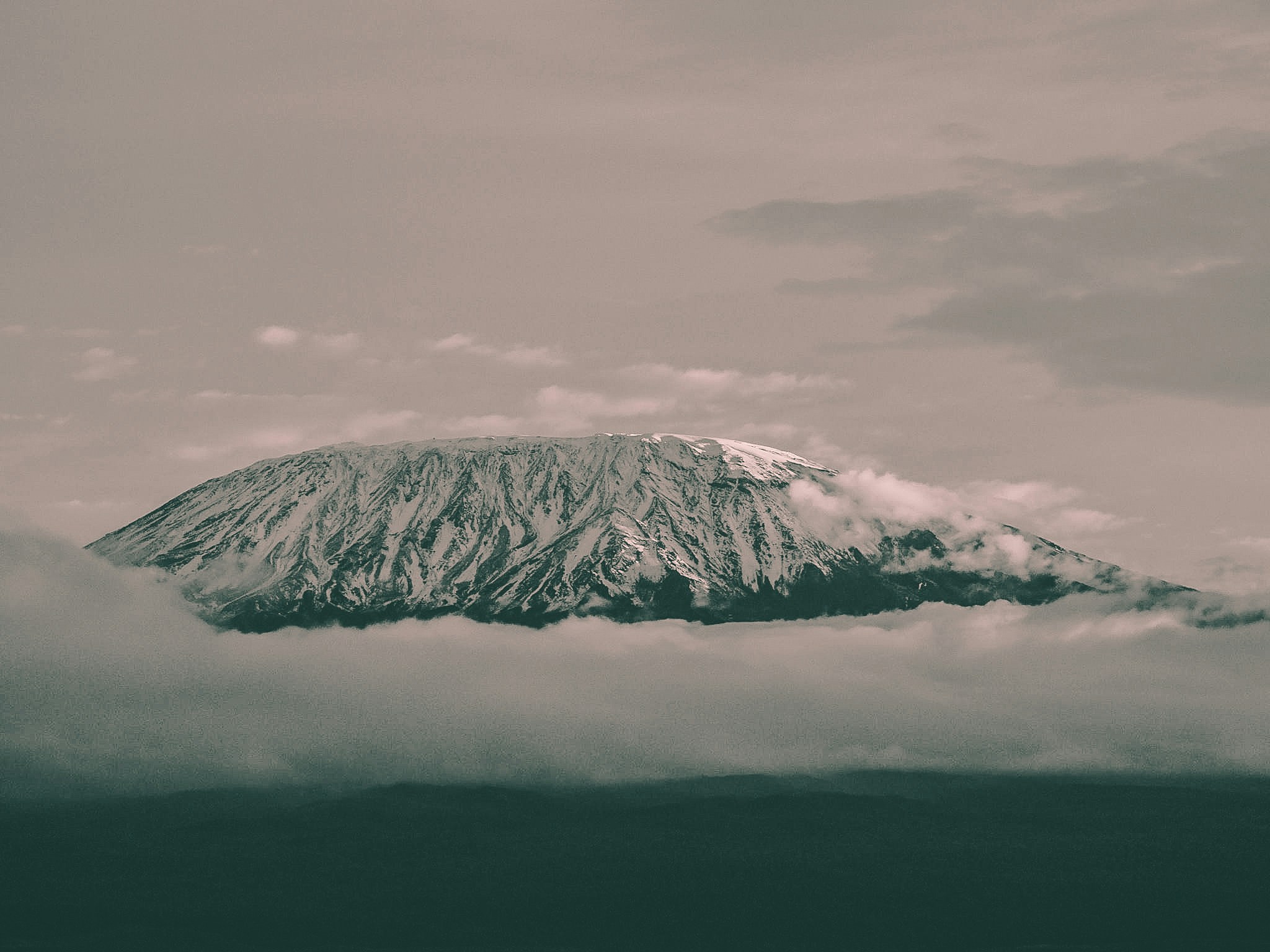
5. Once in a life time experience
Kilimanjaro sits almost on the equator, its climate patterns are driven less by the seasons most travelers are used to and more by two predictable annual rain cycles. Understanding those cycles — and how they interact with the mountain’s dramatically shifting climate zones from base to summit — is the foundation for planning a trip that maximizes both your enjoyment and your odds of standing on Uhuru Peak at sunrise. Below, we break down exactly when to go, which routes suit each season best, and what to pack no matter when you climb.
Related Experiences
The coast of Tanzania is perhaps most famous for the Zanzibar Archipelago,